
Understanding the Role of the Coolant System in Your BMW
Few things are more alarming for a BMW owner than seeing the temperature gauge climbing into the red. Overheating is not only inconvenient but can also cause costly engine damage if left unaddressed. While there can be several reasons for excessive engine heat, the coolant system is one of the first places to investigate. This network of hoses, a water pump, a radiator, and a thermostat is responsible for regulating your engine’s temperature, ensuring it operates within a safe range. When any part of this system malfunctions, your BMW’s performance and reliability are put at risk.
BMW overheating coolant issues Mooresville NC, sometimes referred to as antifreeze, absorbs excess heat from the engine and carries it to the radiator where it is cooled before cycling back. In a BMW, precision engineering means every component of the cooling system must work in perfect harmony. A small leak, a failing pump, or a clogged radiator can quickly throw the balance off, causing temperatures to rise faster than you might expect. Understanding how your coolant system works can help you spot early warning signs before a full-blown overheating incident occurs.
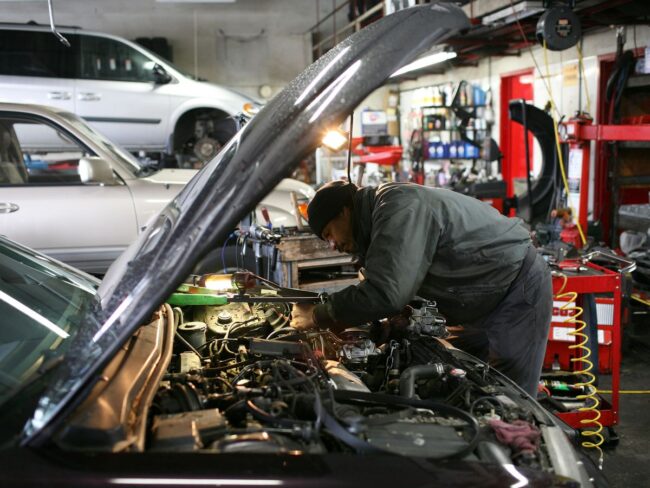
One of the clearest signs of coolant system trouble is a visible leak, often appearing as a bright green, orange, or blue fluid beneath your vehicle. However, leaks are not the only indicator. Reduced coolant levels without a clear source, strange gurgling noises from the radiator, or the smell of sweet antifreeze from under the hood can all point toward underlying issues. In some cases, the culprit might be a malfunctioning thermostat that isn’t allowing coolant to flow, or a water pump that has worn down over time.
It’s also worth noting that BMWs, with their finely tuned engines, are particularly sensitive to changes in coolant quality and quantity. Using the wrong type of coolant, neglecting flush intervals, or ignoring minor leaks can lead to more severe problems. An overheating engine can warp the cylinder head, damage gaskets, or even cause complete engine failure—repairs that come with a hefty price tag.
The best way to prevent overheating is through regular maintenance. Checking coolant levels, inspecting hoses for wear, ensuring the radiator is clear of debris, and replacing worn components before they fail can save you from roadside breakdowns. If your BMW has recently overheated or you notice any signs of coolant system trouble, prompt attention from a qualified technician is essential. Addressing the root cause early not only protects your engine but also ensures you can continue enjoying the smooth performance and driving experience that BMW is known for.